Introduction
Cryptocurrency offers a new era of financial freedom, allowing individuals to manage their own assets without relying on traditional banks. However, this autonomy comes with the responsibility of securing private keys, as loss or exposure can lead to irreversible loss of funds.
Ledger is a leading provider of hardware wallets, designed to store cryptocurrencies securely offline. Ledger.com/start is the gateway for new users to begin their cryptocurrency journey safely and efficiently. This guide provides a detailed overview of the steps and best practices for using Ledger.com/start, including hardware setup, Ledger Live application, security measures, portfolio management, and troubleshooting tips.
By understanding these processes, users can confidently secure, manage, and grow their digital assets.
What is Ledger.com/start?
Ledger.com/start is the official starting point for new users to set up their Ledger hardware wallet and access Ledger Live. It provides a step-by-step guide to initializing your device, creating a secure wallet, and managing cryptocurrency safely.
Using Ledger.com/start, you can:
Set up your Ledger hardware wallet
Create a new wallet or restore an existing one
Connect to Ledger Live for account management
Learn essential security practices
Send, receive, and track cryptocurrency
The platform is designed to be simple for beginners while offering advanced features for experienced users, making it a one-stop starting point for cryptocurrency management.
Step 1: Choose and Purchase a Ledger Hardware Wallet
Before using Ledger.com/start, you need a Ledger hardware wallet. Ledger offers several models, including Ledger Nano S and Ledger Nano X. These devices are designed to store your private keys offline, providing maximum security against hacking and malware.
When selecting a device, consider:
Ledger Nano S: Compact and affordable, suitable for basic cryptocurrency management.
Ledger Nano X: Includes Bluetooth functionality, larger storage for multiple cryptocurrency apps, and a mobile-friendly design.
Always purchase Ledger devices directly from official sources to avoid tampered or counterfeit products.
Step 2: Unboxing and Device Initialization
Once you have your Ledger device, the next step is unboxing and initializing it. Ledger.com/start provides detailed instructions for this process.
Unbox the Device: Ensure the packaging is sealed and contains the hardware wallet, USB cable, and recovery card.
Connect to a Computer or Mobile Device: Use the USB cable or Bluetooth connection (for Ledger Nano X) to connect the device.
Set a PIN: Create a secure PIN to prevent unauthorized access.
Write Down Your Recovery Phrase: Ledger will generate a 24-word recovery phrase. Write it down carefully and store it offline in a secure location. This phrase is essential for wallet recovery if the device is lost or damaged.
Confirm the Recovery Phrase: The device will prompt you to verify the recovery phrase to ensure it was recorded correctly.
These steps ensure that your wallet is securely initialized and ready to manage cryptocurrencies.
Step 3: Download Ledger Live
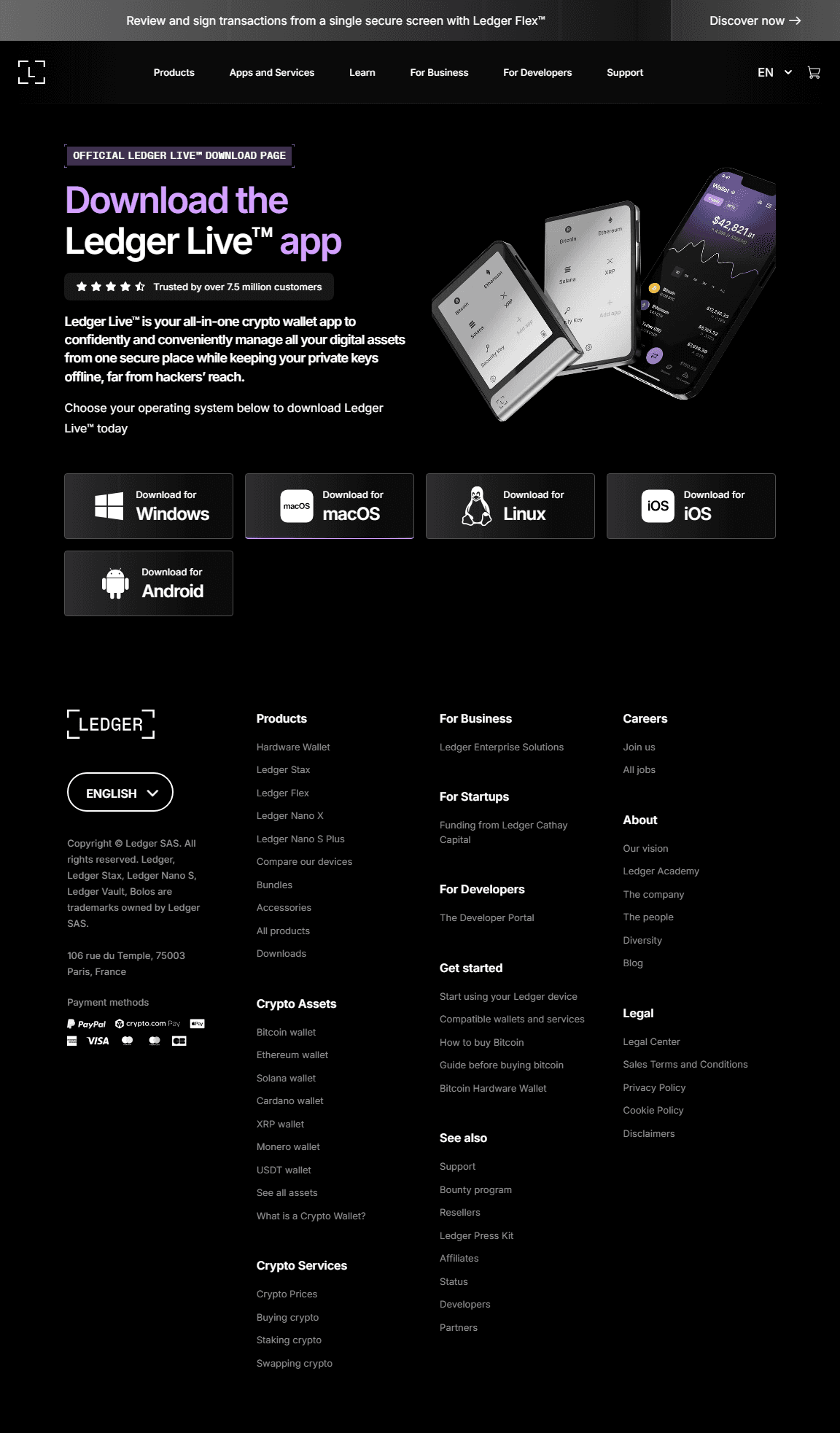
Ledger Live is the application that allows you to manage your cryptocurrency accounts. Ledger.com/start guides users through downloading Ledger Live on a trusted computer or mobile device.
Steps to Install Ledger Live:
Download the Ledger Live application compatible with your operating system.
Install the application following the on-screen instructions.
Open Ledger Live and connect your Ledger device.
Choose to create a new wallet or restore an existing one using your recovery phrase.
Ledger Live is the central hub for monitoring balances, sending and receiving cryptocurrency, managing multiple accounts, and performing firmware updates on your Ledger device.
Step 4: Add Accounts and Manage Cryptocurrency
Once Ledger Live is set up and your Ledger device is connected, you can start adding cryptocurrency accounts. Ledger.com/start explains how to select the cryptocurrencies you want to manage and install their respective apps on your Ledger device.
Adding Accounts in Ledger Live:
Open Ledger Live and navigate to “Accounts.”
Choose the cryptocurrency type and follow the instructions to add the account.
Repeat the process to add multiple accounts for different cryptocurrencies.
With these accounts, you can monitor real-time balances, track transaction history, and gain a clear view of your cryptocurrency portfolio.
Step 5: Sending and Receiving Cryptocurrency
Ledger Live, accessed through Ledger.com/start, makes sending and receiving cryptocurrency secure and straightforward.
Sending Cryptocurrency:
Select the account you want to send from.
Enter the recipient’s address and the amount.
Confirm the transaction on your Ledger hardware device.
Receiving Cryptocurrency:
Select the account to receive funds.
Generate a receiving address in Ledger Live.
Verify the address on your Ledger device before sharing it.
All transactions require physical confirmation on the Ledger device, ensuring that private keys never leave the hardware wallet and reducing the risk of unauthorized transfers.
Security Best Practices
Ledger.com/start emphasizes the importance of security when managing cryptocurrency. Key best practices include:
Keep Your Recovery Phrase Offline: Never store it digitally or share it with anyone.
Use Trusted Devices: Access Ledger Live only from secure computers or mobile devices.
Verify Addresses: Always confirm receiving addresses on your Ledger device.
Keep Firmware Updated: Regular updates ensure your device has the latest security features.
Use Optional Passphrases: Enhance security for high-value wallets with a passphrase.
By following these practices, users can maximize the safety of their digital assets.
Troubleshooting Common Issues
Ledger.com/start also provides guidance on resolving common issues:
Device Not Recognized: Check the USB or Bluetooth connection and ensure Ledger Live is updated.
Login or Access Errors: Restart Ledger Live and reconnect the Ledger device.
Forgotten PIN: Restore wallet access using the recovery phrase.
Transaction Failures: Confirm network settings and verify addresses on the hardware device.
These steps allow users to troubleshoot effectively without compromising security.
Conclusion
Ledger.com/start is the official starting point for anyone new to cryptocurrency. By following its step-by-step guidance, users can set up a Ledger hardware wallet, initialize it securely, connect to Ledger Live, manage accounts, and perform transactions safely.
The combination of offline private key storage, PIN protection, recovery phrase backup, and Ledger Live account management ensures maximum security while providing a user-friendly experience.
For anyone seeking secure and reliable cryptocurrency management, Ledger.com/start provides everything needed to begin confidently. It equips users with knowledge, tools, and security practices to safely navigate the world of digital assets while keeping full control over their holdings.
Ledger.com/start is more than just a setup guide; it is a comprehensive resource for beginning your cryptocurrency journey safely, securely, and effectively.